

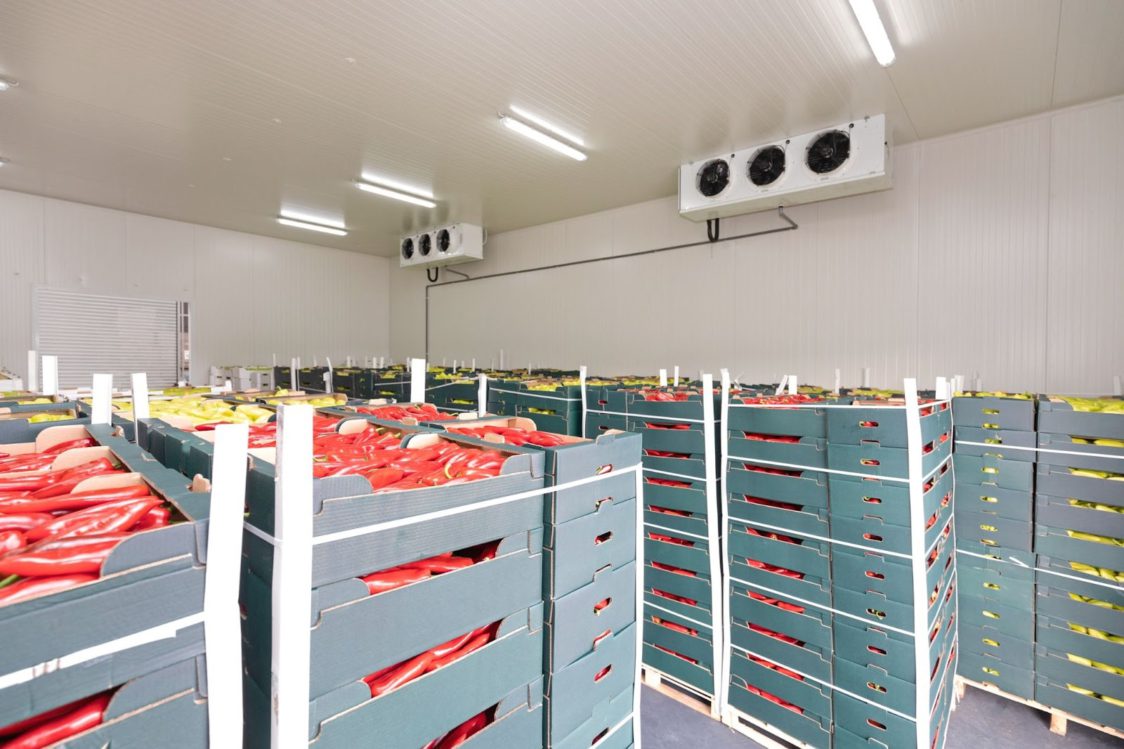
Modern industries rely on precise cold storage systems to preserve quality and extend shelf life. Controlling temperature accurately reduces waste and ensures consistent product reliability throughout transport cycles. Both large and small operations require stable solutions that prevent fluctuation. These environments often operate with guidance from a trusted commercial refrigeration company that adapts systems to specific product demands.
Adapting Cold Technologies To Supply Requirements
Cold storage works as the backbone of perishable inventory efficiency. It safeguards delicate items from spoilage through calibrated design, ventilation balance, and real-time monitoring. The structure’s reliability lies in its adaptability to shift across storage volumes efficiently.
Temperature Mapping And Environmental Precision Control
Advanced monitoring maintains equilibrium within controlled environments. Each product group receives customized temperature zones that reduce energy loss and quality deterioration. Data-based adjustments realign cooling systems, ensuring stable preservation around sensitive materials.
- Smart sensors improving thermal consistency accuracy
- Compact chillers minimizing operational energy output
- Dual-zone structures facilitating varied product loads
- Automated regulation retaining storage consistency
Cooling innovations progress toward dynamic control where precision blends with sustainability. By rebalancing airflow and humidity levels, operations minimize damage risk while optimizing durability.
What Determines The Reliability Of Cold Distribution Systems?
Reliability depends on efficiency, temperature uniformity, and backup flexibility during transport. Proper insulation material and ventilation flow directly impact how quality is maintained. Distribution efficiency also relies on rapid response during temperature drift events.
A structured support system identifies deviations early, limiting wide-scale damage and loss. Operators then fine-tune performance metrics before impact extends to stored inventory segments.
Energy-Efficient Design Enhancing Preservation Standards
Energy performance plays a decisive role in cost and reliability. Sustainable operations integrate insulation, renewable energy, and recovery systems for consistent temperature performance. Controlled refrigeration reduces pressure on compressors and extends overall system endurance.
- Heat reclaim technology improving operational sustainability cycles
- Temperature zoning optimizing cooling efficiency by product type
- Variable speed compressors maintaining consistent cold output
- Real-time analytics reporting power performance efficiency
Comprehensive energy approaches reduce maintenance budgets without degrading reliability. Partner brands often coordinate with a Commercial refrigeration company for balanced methods that merge environmental stewardship and stable storage precision.
How Do Businesses Choose Systems That Fit Best?
Businesses compare temperature range needs, footprint dimensions, and regulatory requirements. Each facility demands tailored storage capacity aligned with daily turnover expectations. Selection often centers around automation potential and future scalability for growth.
Clients seek systems that meet evolving compliance standards while reducing maintenance frequency. Consultation focuses on flexibility where expansion and configuration adjustments remain effortless throughout time.
Integrating Modern Refrigeration Into Logistics Flow
Today’s cold storage systems merge effortlessly with broader logistics planning. Their continuous feedback loops allow synchronization with transportation analytics and supply tracking. Integrating these infrastructures ensures each shipment retains its calibrated load precision.
Future advancements suggest storage facilities evolving toward predictive management. Forecast analytics will support smarter allocation, extending reliability across evolving cold chain networks seamlessly. Predictive control will soon enable systems to adjust parameters before deviations occur, ensuring uninterrupted product stability. Emerging AI-driven maintenance tools will further improve equipment performance, reducing unexpected downtime and increasing operational lifespan.