

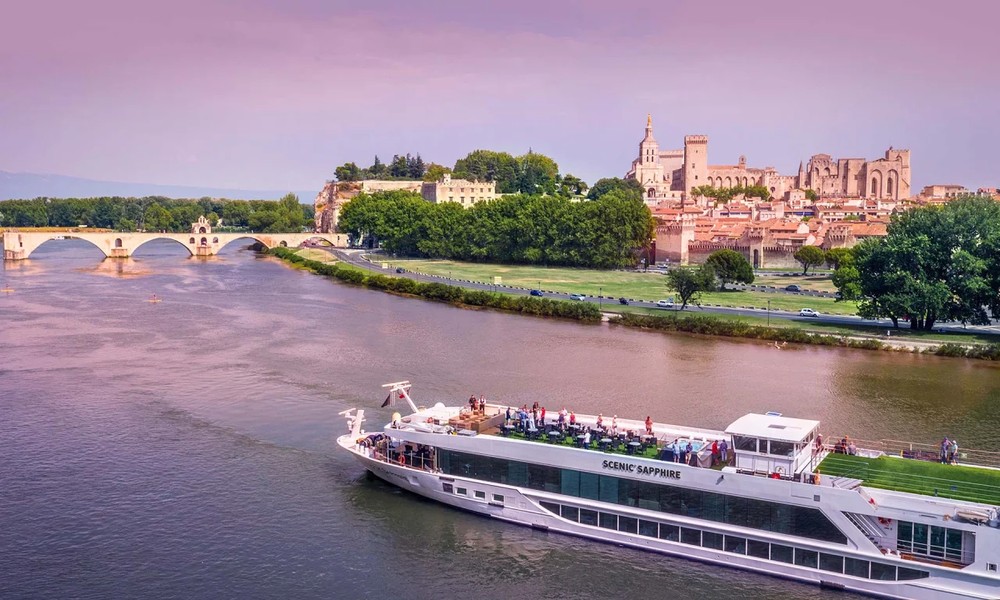
Some trips focus on destinations. Others place equal value on the experience of getting there. Scenic cruises belong in the second category. Instead of racing from port to port, these itineraries celebrate coastlines, waterways and natural wonders that unfold right outside the ship. For travelers who enjoy slowing down and taking in views, the journey itself becomes the main attraction.
What makes a cruise scenic
Scenic cruising centers on routes where geography plays a leading role. Ships glide past glaciers, island chains, cliff-lined coasts or historic waterways. The ship often reduces speed or pauses in key locations to allow guests to enjoy the view.
Large windows, wraparound decks and outdoor promenades support this style of travel. The design encourages guests to step outside, settle into a chair or lean on the rail and watch the scenery change.
Iconic scenic routes
Several regions around the world offer renowned scenic cruising. Alaska features towering glaciers and wildlife-rich fjords. Norway delivers narrow passages flanked by waterfalls and steep mountains. Panama includes a man-made marvel that connects two oceans.
Asia also offers striking routes. A Japan Cruise that passes through the Seto Inland Sea or along the rugged northern coast reveals fishing villages, forested islands and distant peaks. These views shift hour by hour, turning the sea day into a moving postcard.
Life on deck during scenic days
Scenic cruising changes the rhythm onboard. Guests wake early to catch the best light. Hot drinks appear on deck as cameras and binoculars come out. Crew members often provide commentary over the ship’s speakers, pointing out landmarks or wildlife.
Unlike a typical sea day, where activities focus on pools and shows, scenic days draw attention outward. The ship becomes a floating viewing platform.
Why the ship matters
Not all ships suit scenic itineraries equally. Vessels with open decks, forward-facing lounges and floor-to-ceiling windows offer better viewing. Smaller ships can navigate narrow channels and get closer to shore.
Balconies add another layer. Having a private outdoor space allows you to enjoy the scenery without leaving your room, which proves especially appealing in cooler climates or early mornings.
Photography and observation
Scenic cruises attract photographers and nature lovers. Light changes constantly, so the same coastline looks different from morning to evening. Birds, marine life and weather patterns add movement to every frame.
Even guests who rarely take photos find themselves pausing to watch. The steady glide of the ship and the scale of the surroundings encourage a slower pace and deeper appreciation.
How scenic cruising affects planning
These itineraries often include fewer ports. Instead of daily stops, the ship may spend hours in a single fjord or bay. This design gives time to absorb the setting without feeling rushed.
Travelers who prefer packed sightseeing schedules might find this slower pace unusual at first. Many come to appreciate the chance to relax and let the environment take center stage.
Comfort and enrichment onboard
During scenic segments, cruise lines enhance the experience with lectures, guided commentary and themed menus. Naturalists, historians or local experts may join the ship to provide context.
These touches add depth to what you see. A view of a volcanic island or a traditional village gains meaning when paired with stories about its history and culture.
Seasonal differences
Scenery changes with the seasons. Spring brings fresh greenery and blooming coastlines. Summer offers long daylight hours and calmer seas. Autumn adds dramatic colors, while winter creates stark beauty in colder regions.
Choosing the right season depends on personal preference. Some travelers enjoy misty mornings and moody skies. Others prefer bright sun and clear horizons.
Who scenic cruises suit best
Scenic cruises appeal to travelers who value atmosphere as much as activity. Couples seeking quiet moments, solo travelers who enjoy reflection and photographers looking for unique shots all find these routes rewarding.
Families can also enjoy scenic itineraries, though younger children may need extra onboard activities to stay engaged during long viewing periods.
Blending scenery with destinations
Even on scenic routes, ports still matter. Small towns, cultural sites and nature-based excursions complement the views from the ship. The combination creates a balanced experience of observation and exploration.
On a Japan Cruise, for example, a morning of sailing past forested islands might lead to an afternoon visit to a historic harbor town. The contrast highlights both the natural and cultural sides of the region.
A different way to travel
Scenic cruises invite a shift in mindset. Instead of rushing toward the next attraction, you settle into the movement of the ship and let the surroundings come to you. This approach reduces the sense of hurry that often accompanies travel.
The result feels restorative. Time stretches out, views change slowly and moments linger. For many travelers, this style of cruising becomes a favorite way to see the world.
Why the journey becomes the highlight
When scenery takes center stage, the line between transportation and destination blurs. Each mile traveled offers something to notice, from shifting light on water to distant peaks appearing on the horizon.
By the end of the voyage, memories include not just the ports visited but also the countless scenes passed along the way. That is the essence of a scenic cruise where the journey truly stands as the highlight.